The NRG Stadium in Houston was transformed into a shimmering, high-octane cauldron of expectation as 68,777 fans descended upon "Space City," creating an atmosphere that felt more like a humid afternoon in Porto Alegre than East Texas. A vast, undulating yellow sea of Brazilian supporters dominated the stands, their rhythmic chants echoing against the stadium’s massive roof. Yet, beneath the festive surface lay a jagged edge of anxiety. This was a quest for redemption, a chance to exorcise the ghosts of the 2025 Kirin Challenge Cup where Japan had handed the Seleção a stunning 3–2 comeback defeat. As the whistle blew, the festive carnival sharpened into a clinical tactical chess match, with Brazil seeking to reclaim their historical dignity against a Japanese side no longer intimidated by the weight of the yellow shirt.
Tactical Masterclass: Japan’s First-Half Stranglehold
Hajime Moriyasu arrived in Houston with a blueprint designed to stifle Brazilian flair through disciplined, structural integrity. Japan’s defensive organization was a masterpiece of frustration; a compact five-man defensive line remained tethered together, effectively neutralizing Brazil’s creative hubs. The silence of the NRG was punctuated by a bolt from the blue in the 29th minute. Kaishu Sano, showing the predatory instinct of a veteran, pounced on a rare under-hit pass from Danilo near the halfway line. Sano ignited a breathtaking solo surge, slicing through the space left by a disjointed Brazilian backline before unleashing a low, right-footed strike from outside the penalty area. The ball settled into the bottom left corner, marking Sano’s first-ever international goal for Japan and threatening a historic humiliation for the South American giants.
Key First-Half Dynamics:
- The Sano Surge: A clinical display of transition football, turning a midfield interception into a historic milestone for the young midfielder.
- The Defensive Wall: Moriyasu’s low block acted as a tactical vacuum, sucking the space away from Vinícius Júnior and the starting "young guard," including Rayan, who had been tasked with replacing the injured Raphinha.
- The Possession Paradox: Brazil commanded the ball, but Japan commanded the space. The Seleção held the lion's share of possession but lacked the "clarity" required to penetrate the Samurai Blue’s rigid architecture.
As the teams retreated to the tunnel, the body language of the Brazilians was one of visible agitation, while the Japanese moved with the quiet confidence of a side on the verge of the unthinkable.
The Point of View: A Journalist’s Reflection on the "Ancelotti Effect"
Watching from the press box, one felt the profound weight of the "Ancelotti Effect"—a philosophy defined by "mind, heart, and clarity." Many expected the Italian to ring the changes at halftime, perhaps hauling off Casemiro, who had looked cumbersome and was already trailing on a yellow card after being bypassed during Sano’s opener. Instead, Ancelotti opted for a vintage "Crafty Carlo" gamble. He refused to alter the team’s tactical structure, believing the system was working despite the scoreline. It was a move rooted in human psychology rather than just data—a calm resolve that the old guard simply needed time to find the light. This refusal to panic began to manifest as the players re-emerged; the frantic energy of the first half had been replaced by a cold, clinical focus.
The Equalizer: Casemiro’s Redemption and Aerial Superiority
Brazil’s second-half resurgence began with a strategic pivot. Recognizing that Japan’s low block was nearly impenetrable on the ground, Ancelotti’s men began attacking through the air. Japan remained resilient, however, and the "Suzuki Factor" almost maintained the lead when Zion Suzuki pulled off a miraculous save just seven minutes into the half. But the pressure eventually became unsustainable.
In the 56th minute, Gabriel Magalhães delivered an inch-perfect cross from the left flank, curling it toward the back post. Casemiro, rising like a titan despite battling acute adductor pain and cramps, met the ball with a thumping close-range header. Suzuki’s fingertips once again brushed the ball, but the sheer power of the veteran’s effort carried it home. At 34 years old, Casemiro cemented his legacy as the second-oldest goalscorer for Brazil in World Cup history. The veteran’s grit set the tone for a relentless final half-hour as Brazil’s wave after wave of attacks crashed against a tiring Japanese defense.
90+5: The Martinelli Moment and Japanese Heartbreak
Stoppage time arrived with a frantic, desperate energy. Ancelotti had injected fresh legs, replacing Matheus Cunha with Gabriel Martinelli and introducing Endrick to stretch the Japanese lines. In the 95th minute, with the specter of extra time looming, the decisive blow was struck. Bruno Guimarães found a pocket of space and threaded a clinical low pass to Martinelli on the left of the penalty area. Martinelli shifted the ball with lightning speed, firing a right-footed shot that clipped the post before settling into the net.
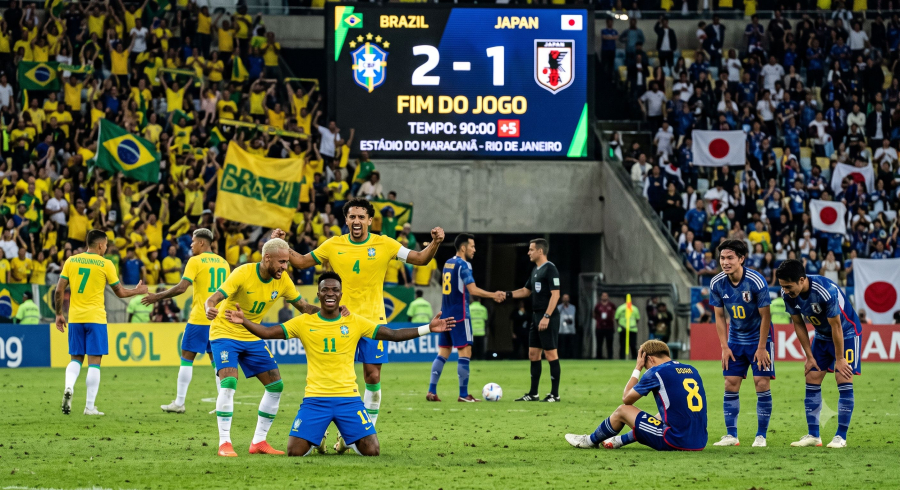
The stadium erupted into bedlam. While the Brazilian bench spilled onto the pitch in a delirium of joy, the contrast on the grass was devastating. The Japanese players were utterly heartbroken, many collapsing to the turf in tears, realizing that a historic upset had slipped through their fingers in the final seconds of play. It was a scene of raw, sporting cruelty.
The "So What?" Layer: Historical Context and Statistics
For Japan, this defeat reopens the wounds of a recurring knockout-stage trauma. This marks their third consecutive World Cup exit (2018, 2022, and 2026) in matches where they held a lead during the knockout rounds. Despite coach Moriyasu’s insistence that the "gap is closing," the psychological hurdle of the Round of 32 remains. Interestingly, Neymar was kept as a "strategic reserve" throughout the match; Ancelotti later revealed his plan was to introduce the superstar at the 105th-minute mark for extra time, a plan rendered moot by Martinelli’s heroics. Brazil now marches on to East Rutherford, New Jersey, their "sixth star" quest preserved by the narrowest of margins.
Match Analytics: Brazil vs. Japan (Round of 32)
| Statistic | Brazil | Japan |
| Final Score | 2 | 1 |
| Goal Scorers | Casemiro (56'), Martinelli (95') | Sano (29') |
| Head-to-Head Record (Competitive) | 100% Win Rate | 0% Win Rate |
| Player of the Match | Casemiro | N/A |
| Note: Head-to-Head "Competitive" record excludes friendly matches such as the 2025 Kirin Challenge Cup. |
